
Industrial Automation Ecosystem
Building Intelligent, Connected Industrial Operations
Modern industrial operations rely on multiple technologies working together as a unified system. Warehouses, logistics networks, and production facilities now require automation systems that integrate robotics, intelligent material handling, industrial networking, cybersecurity, and digital platforms.
The Industrial Automation Ecosystem represents a technology architecture where these systems operate together to create intelligent, efficient, and scalable operational environments.
At Manusphere, we design and implement integrated automation infrastructures that combine advanced technologies from leading automation partners into a unified operational system.
By connecting warehouse automation technologies, robotic systems, industrial networking infrastructure, and intelligent software platforms, organizations can transform traditional operations into smart industrial environments capable of supporting modern supply chains and manufacturing systems.
Automation Ecosystem Architecture
Industrial automation environments typically operate across several technology layers that work together to support operational processes.
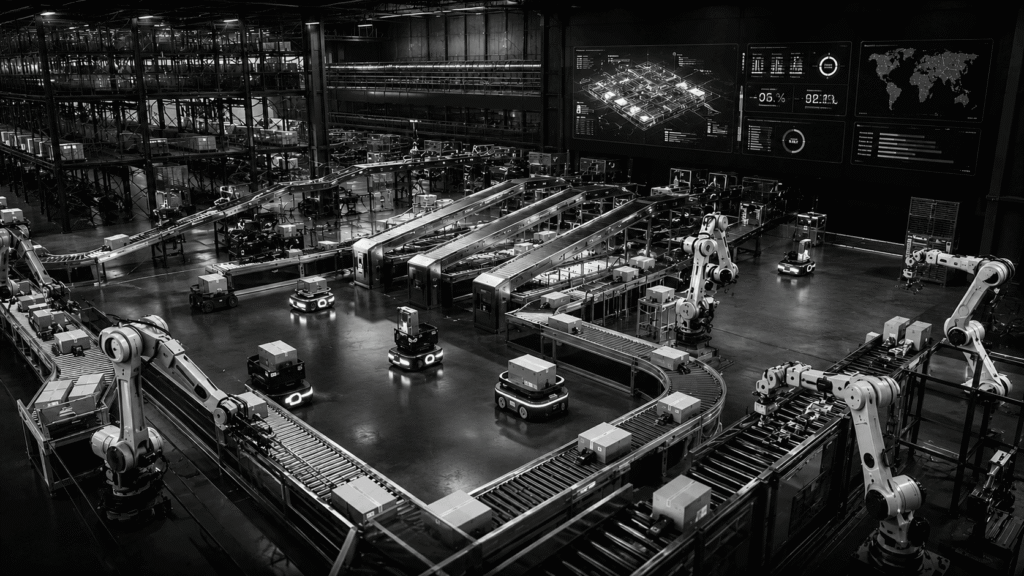
Warehouse automation technologies enhance operational efficiency in distribution centers and logistics facilities by streamlining and automating core processes such as order picking, product transportation, sorting and consolidation, as well as packaging and shipping operations. This automation layer leverages advanced solutions including Pick-to-Light systems, conveyor automation, motor-driven roller conveyors, and warehouse control platforms to optimize throughput, reduce manual intervention, and improve overall accuracy and productivity.
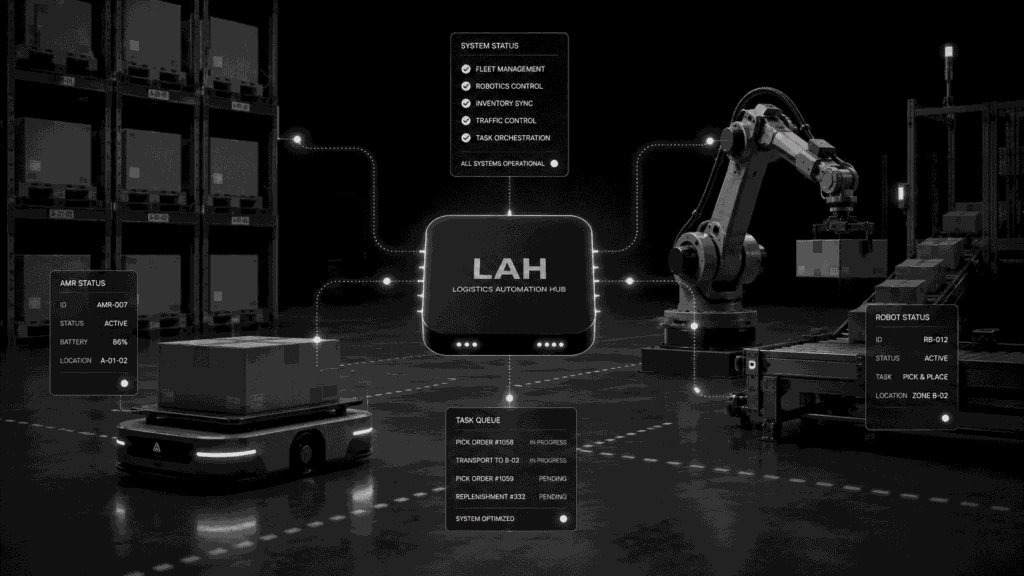
Robotic technologies enable the automation of repetitive and high-volume operational tasks as part of an integrated logistics solution. These advanced systems include Automated Guided Vehicles (AGVs), anthropomorphic robots, multilevel and pallet shuttle solutions, and high-density inventory storage robots capable of reaching heights up to 36 feet. Implementing robotics allows organizations to significantly increase operational capacity and reduce manual handling across warehouse and logistics environments.
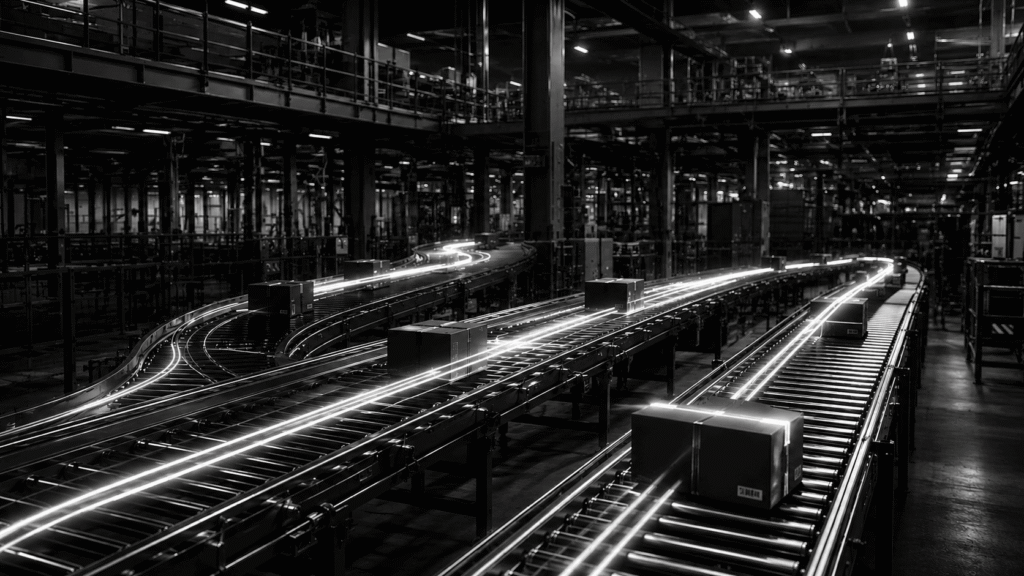
Material handling infrastructure enables efficient movement of products and materials throughout industrial environments.
Automation technologies in this layer include conveyor systems, motor-driven roller technology, and intelligent conveyor control platforms.
These systems ensure smooth product flow across warehouse zones, manufacturing lines, and logistics operations.
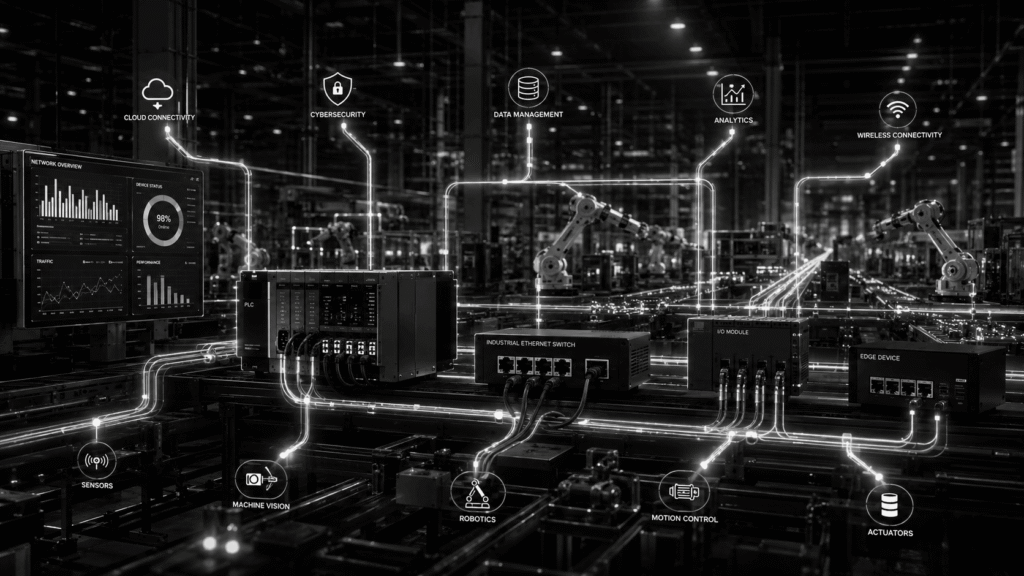
Industrial automation systems depend on reliable communication between machines, sensors, control platforms, and software systems, with industrial networking infrastructure serving as the critical connectivity layer that links these technologies across the facility. These networks enable seamless data exchange and coordination between PLC controllers, automation devices, warehouse systems, and various industrial sensors and equipment, ensuring synchronized operations, real-time monitoring, and efficient system performance.
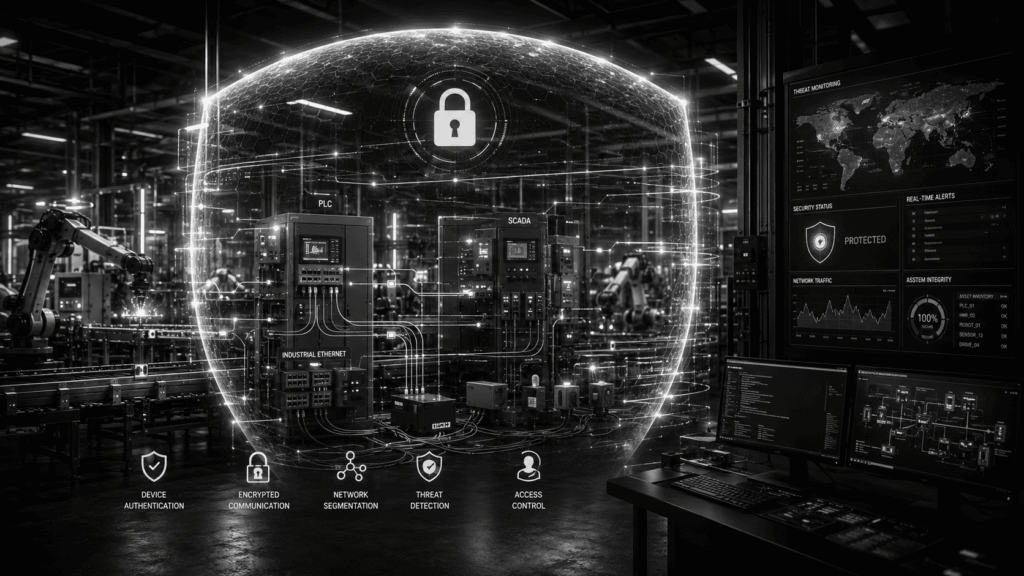
As industrial environments become increasingly connected, protecting operational technology networks is essential.
Industrial cybersecurity systems safeguard automation infrastructure, control systems, and industrial networks from cyber threats while ensuring safe and reliable operations.
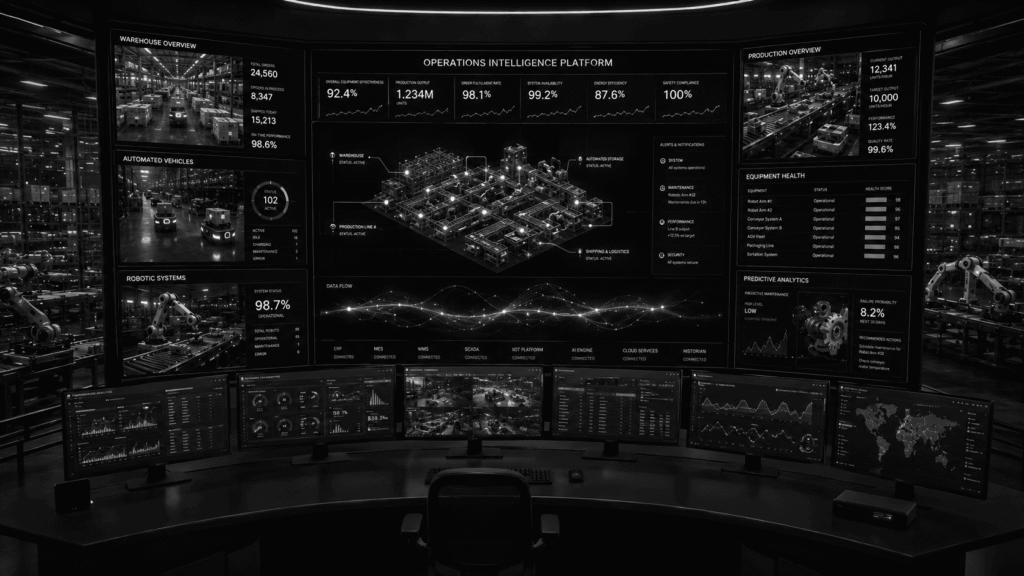
Digital platforms enable monitoring, analytics, and operational intelligence across industrial environments.
These platforms collect and analyze data from automation systems, allowing organizations to monitor operations in real time and optimize performance.
Typical platforms include warehouse management systems, automation monitoring platforms, and data integration technologies.
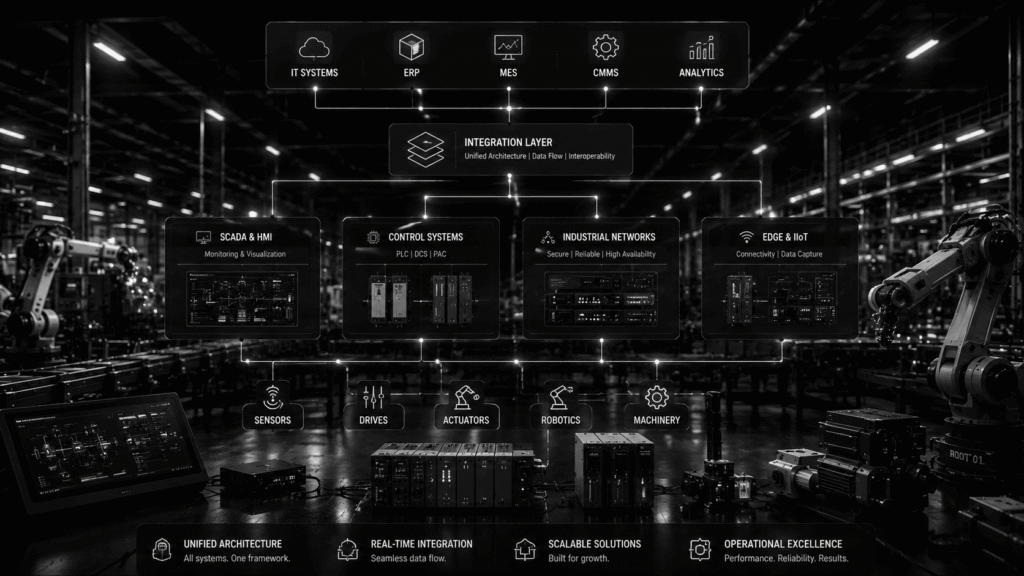
Automation technologies deliver the greatest value when they operate together as part of a unified system.
System integration connects all technology layers within the automation ecosystem, ensuring seamless communication between hardware systems, control platforms, and software environments.
Manusphere specializes in designing and implementing automation architectures that integrate multiple technologies into a single operational infrastructure.
Industries That Benefit From Industrial Automation
Industrial automation ecosystems support organizations across industries that rely on efficient logistics, manufacturing, and supply chain operations.
Common applications include:
E-commerce fulfillment centers
retail distribution warehouses
pharmaceutical supply chains
manufacturing logistics
industrial production environments
parcel and courier distribution centers
Start Building Your Automation Infrastructure
Speak with Manusphere automation specialists to design an integrated industrial automation ecosystem tailored to your operational requirements.
Our team helps organizations implement advanced automation systems that improve efficiency, scalability, and operational intelligence.