
Real-Time Monitoring in Industrial Operations Using IoT
In modern industrial environments, timely access to accurate data is essential for maintaining operational efficiency and control. Traditional reporting methods often rely on delayed data, limiting the ability to respond quickly to changing conditions.
Real-time monitoring, powered by IoT solutions, enables continuous visibility across operations. By collecting and analyzing live data from connected systems, organizations can make faster, more informed decisions and improve overall performance.
What Is Real-Time Monitoring?
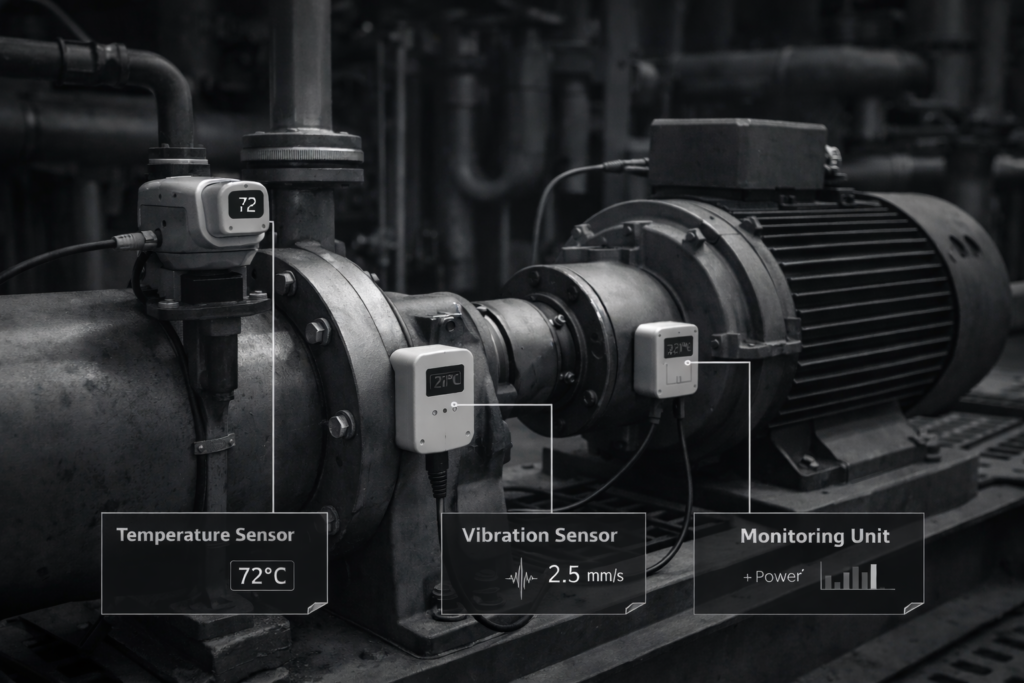
Real-time monitoring is the process of continuously collecting and analyzing data from industrial systems as events occur. This allows organizations to track performance, detect anomalies, and respond immediately to operational changes.
Through integrated data engineering platforms, data from multiple sources is structured and delivered in a way that supports immediate analysis and action.
- Continuous data collection from connected systems
- Instant visibility into operational performance
- Immediate detection of irregularities
- Faster response to operational events
Enhancing Operational Visibility
One of the key benefits of real-time monitoring is improved visibility across industrial environments. Instead of relying on static reports, teams gain a dynamic view of operations that reflects current conditions.
With tools such as visual analytics platforms, data is presented through dashboards that provide clear and actionable insights.
- Live dashboards displaying key performance indicators
- Centralized monitoring of multiple systems
- Improved coordination across teams
- Better understanding of operational trends
Improving Decision-Making with Real-Time Data
Access to real-time data significantly improves decision-making processes. When teams have immediate insights into operations, they can respond quickly to issues and optimize workflows without delay.
Combined with Industrial Data & AI Intelligence, real-time monitoring enables organizations to move from reactive responses to proactive and data-driven decision-making.
- Faster operational decisions
- Reduced response time to issues
- Improved resource allocation
- Enhanced operational control
Detecting Anomalies and Preventing Issues
Real-time monitoring allows organizations to detect anomalies as soon as they occur. This early detection helps prevent minor issues from escalating into major operational disruptions.
Supported by data science and analytics, anomaly detection becomes more accurate and reliable over time.
- Early identification of performance deviations
- Reduced risk of system failures
- Improved operational stability
- Proactive issue resolution
Integration with AI and Automation
When integrated with AI, real-time monitoring systems can go beyond observation and begin to support automated decision-making processes. AI models analyze incoming data to generate insights and trigger actions when necessary.
Leveraging AI-driven solutions, organizations can automate responses and continuously optimize performance.
- Automated alerts and notifications
- AI-driven recommendations
- Continuous system optimization
- Enhanced operational intelligence
Conclusion
Real-time monitoring is a critical component of modern industrial operations. By providing continuous visibility, improving decision-making, and enabling proactive responses, it helps organizations achieve higher levels of efficiency and control.
As industrial environments become increasingly connected, real-time monitoring will continue to play a central role in driving smarter, data-driven operations.
Disclaimer: This article is provided for informational purposes only. It describes real-time monitoring technologies and operational approaches without representing performance guarantees or specific system outcomes.
FAQ
What is real-time monitoring in industrial operations?
Real-time monitoring is the continuous tracking and analysis of data from industrial systems as events occur, allowing organizations to respond immediately to operational changes.
How does IoT enable real-time monitoring?
IoT enables real-time monitoring by connecting sensors and devices that continuously collect and transmit data from equipment and systems for instant analysis.
What are the benefits of real-time monitoring?
Real-time monitoring improves operational visibility, enables faster decision-making, reduces response time to issues, and enhances overall efficiency.
How does real-time monitoring improve decision-making?
By providing instant access to operational data, real-time monitoring allows teams to make faster, more informed decisions based on current conditions.
Can real-time monitoring help prevent system failures?
Yes, real-time monitoring helps detect anomalies and performance issues early, allowing organizations to take action before failures occur.
What role does data analytics play in real-time monitoring?
Data analytics processes incoming data to identify patterns, detect irregularities, and generate insights that support operational decisions.
How does AI enhance real-time monitoring systems?
AI enhances real-time monitoring by analyzing large volumes of data, detecting complex patterns, and enabling automated alerts and recommendations.
Which industries benefit from real-time monitoring?
Industries such as manufacturing, logistics, energy, and facility operations benefit from real-time monitoring by improving efficiency and operational control.